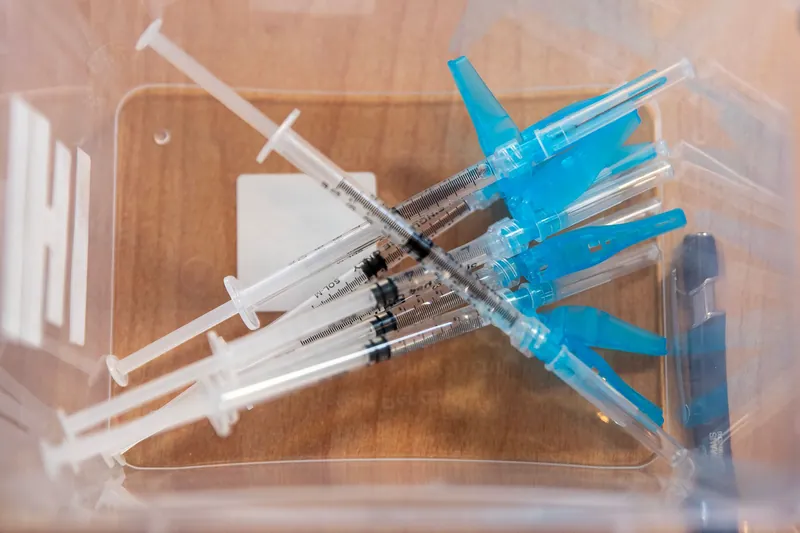
Needle and Sharps Cleanup
Needles and other sharps are removed from rentals, yards, encampments and parks.
See needle and sharps cleanupGet needles, pipes, baggies and unknown residue removed from a home, rental, workplace, vehicle or outdoor area in Woodford Green. Keep people and pets away, and do not touch sharps or powder.
Drug paraphernalia cleanup is the careful collection of needles, syringes, pipes, foil, baggies and other drug debris, followed by cleaning of residue and any related biological contamination in the affected area.
This cleanup service is used in houses, apartments, rental units, hotels, workplaces, vehicles and outdoor areas. Cleanup technicians first look for visible items and then check nearby gaps, drawers, furniture, bedding, vents and floor edges where a sharp object may be hidden. Needles go directly into a rigid sharps container. Other hazardous materials are packaged according to their condition and the applicable waste rules.
Meth lab cleanup is separate from drug debris removal. Limited residue on a surface and loose paraphernalia may belong within this service. A different response is necessary when you find pressurized cylinders, odd glassware, containers with stains, intense chemical odor or evidence of drug production. Stay out and avoid disturbing any suspected lab. Cleaning must not begin until the fire department or law enforcement gives instructions.
Before you move forward, you learn which spaces need searching, which materials may be removed, what can be cleaned and what affects cost.
When conditions make it possible, belongings that can remain are set apart from contaminated materials after a careful check for concealed sharp objects.
Crews arrive in unmarked vehicles and work with discretion around a workplace, rental, business or home while clearing the affected areas.
The cleanup scope, photographs and available disposal documents give property owners, insurance companies, managers and other responsible parties a clear record.
When residue or abandoned drug items may expose anyone working in, cleaning or entering the space, drug paraphernalia removal is appropriate. Common examples are:
Grounds, break areas, storage rooms and restrooms may hold residue or sharps that routine staff should not gather.
Safe preparation of a guest room for future use may require cleaning, a thorough sweep and removal of any hidden sharp objects.
Before repairs start, a methodical room search can find items inside drawers, beneath furniture, beside baseboards and throughout surrounding areas.
Alleys, stairwells, parks, parking lots, loading areas and vacant lots may contain abandoned syringes with related waste.
Your first job is to prevent contact. Leave the items where they are unless an immediate danger makes that impossible, then take these steps:
Call (888) 440-9227Credible public cost material does not state a drug paraphernalia cleanup range. For context, published general biohazard cleanup guides put the typical national figure between $3,000 and $5,000 and the residential average between $1,800 and $4,500 for homes. Those guides place many residential projects in a range running from $2,500 through $8,000 according to scope, and their total published span runs from $1,500 through $25,000 overall. Actual pricing requires an assessment because a small needle pickup and residue cleanup across multiple rooms have very different scopes.
These national ranges are taken from published cost guides, rather than a property visit. The price for your property is set after the on-site assessment, and you hear it before work starts.
Ask about cost: (888) 440-9227Coverage varies according to the insurance policy, contamination cause and who bears responsibility for the property. You should ask the insurer specifically about biohazard cleanup before concluding that coverage applies.
Keep photos taken from a safe position, the cleanup scope, invoices and disposal records. These materials can help explain what was found and what work was completed.
A property owner or manager often arranges cleanup in a rental or common area, then addresses tenant responsibility under the lease and local rules.
A renters or homeowners policy might approach the contamination differently according to its source. Describe the affected area when reporting the condition, then ask which records you need to submit.
Homeowners or renters insurance is usually the first place to ask about cleanup costs. After a death the estate often pays, and in a rental the owner usually arranges the cleanup. Before counting on reimbursement, contact the program to confirm whether that event and its cleanup cost are eligible.
The property and discovered materials shape each part of the work. The sequence starts by controlling the space, followed by careful searching, removal, cleaning of surfaces and an inspection at the end.
Before work starts, cleanup technicians identify the affected areas, exposed sharps, porous surfaces, possible residue and spaces needing a thorough search.
Entry is restricted while protective gear is chosen for unknown residue, puncture risks and associated biological contamination.
Exposed needles go immediately into puncture-resistant sharps containers through tool-assisted collection that avoids bending and recapping.
A systematic search covers each room and surrounding areas, with attention to vents, bedding, furniture, drawers, floor edges and similar hiding spots.
A process appropriate for the residue is used on hard surfaces, while biological hazards receive an EPA-registered disinfectant for its labeled contact time.
Porous materials that cannot be cleaned completely are recorded and isolated in packaging that limits movement of residue or sharps during removal.
Appropriate containers hold sharps and other hazardous waste before the materials follow a disposal path allowed by relevant rules.
After cleaning, workers inspect treated surfaces and check the area once more for missed items before creating owner records or photos.
Phone any hour. Your drug paraphernalia cleanup specialist answers the phone, describes what happens next and works with you on a start time.
Serious health risks can come from contaminated materials, broken glass, discarded needles and unidentified residue. The danger is greater when contents are not known or an object is concealed.
A standard waste bag or recycling bin is not suitable for loose sharps and contaminated materials. State rules and the material involved govern proper packaging, transportation and waste disposal.
A powder or film cannot be identified by sight or smell. Residue may spread from where you found it if you touch it, sweep it aside or vacuum it, creating needless exposure.
Bags, bedding, drains, clothing, boxes, upholstered items and accumulated belongings can hide needles. Reaching into a space without seeing the bottom can lead to an injury.
Can you clean it yourself? Do not treat an unknown powder like ordinary dust. When one needle is found, restrict access and consult local public health instructions for disposing of community sharps. The chance of wider contamination or a sharp puncture decreases with professional cleanup if residue, multiple items, bodily fluids or hidden sharps are found.
The amount and distribution of material determine how long the work takes, along with any detailed cleaning needed for residue or hidden sharp objects. A whole-property search that includes porous material removal takes longer than collecting a group that is plainly visible.
| Scene | Typical time on site |
|---|---|
| One contained space with items in view | Generally the quickest type of cleanup appointment |
| Hidden needles or residue within one room | Longer because searching and surface cleaning are needed |
| Large debris amounts, several spaces or porous belongings | May require staged removal and more than one work period |
Smoke residue, chemicals, spoiled items and bodily fluids can all create odor. You cannot determine the substance from smell alone. Avoid getting close to sniff, smelling any container or hiding the odor with fragrance. Seek emergency guidance after leaving if there is irritation, dizziness, an active reaction or a sharp chemical smell.
Source removal and cleaning of impacted surfaces come before any air quality work. After identifying the hazard, technicians may use HEPA-filtered equipment on appropriate particles. Do not put an ordinary home vacuum on unknown powder. When chemical production may have occurred, routine biohazard or odor work is not appropriate. The property requires the correct hazardous material assessment.
The OSHA Bloodborne Pathogens Standard, 29 CFR 1910.1030, sets requirements for training, protective equipment and exposure control when workers can contact blood.
When biological contamination is present, the disinfectant should be EPA-registered for the target organism and remain wet for the full contact time on its label.
North Carolina treats soaked materials from a biohazard scene as medical waste. Rules from the state Department of Environmental Quality's Solid Waste Section control how it is packaged, stored, transported and treated, so it cannot go in household trash. Each material should be classified before transport since disposal requirements may vary among ordinary waste, sharps and chemicals of unknown identity.
Local health and building rules can affect how a contaminated room is cleaned and when it can be used again, so mention any notice you have received from the city or county. When you suspect ongoing drug production or believe an item could be evidence, wait for authorization to clean before moving anything.
The full drug paraphernalia cleanup guide covers what is cleaned or removed, odor and air quality work, and the rules that apply in North Carolina and Mecklenburg County.
Read the full drug paraphernalia cleanup guide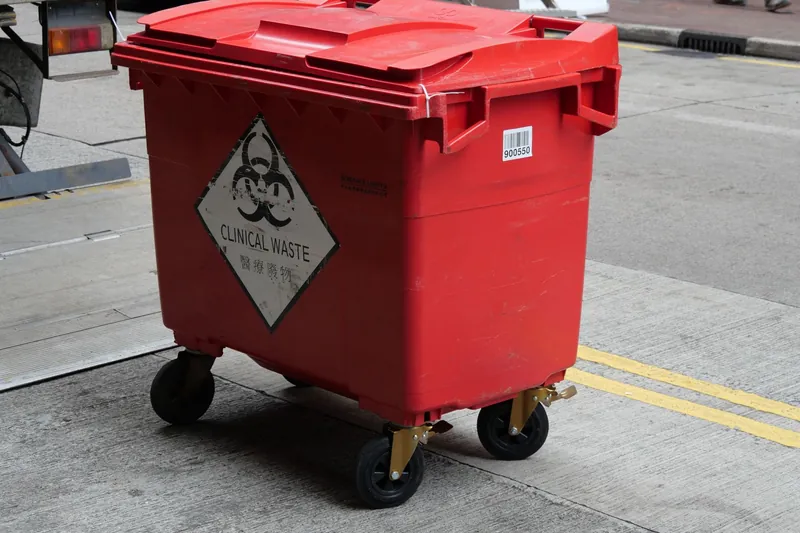
Containment, entry and cleanup plans can be influenced by local housing, population and access details.
The approximately 5.5 mile trip to Novant Health Presbyterian Medical Center matters when an injury must be assessed before anyone returns to the affected space.
Woodford Green is near Lewis, White Oak Park, and Forest Pawtucket, which can matter when family members are arriving from surrounding communities.
A neighborhood address can differ from its broader city label, making the full street and unit information important for discreet cleanup access.
During your call, ask whether cleanup is available in surrounding communities and ZIP codes.
Needles and other sharps are removed from rentals, yards, encampments and parks.
See needle and sharps cleanup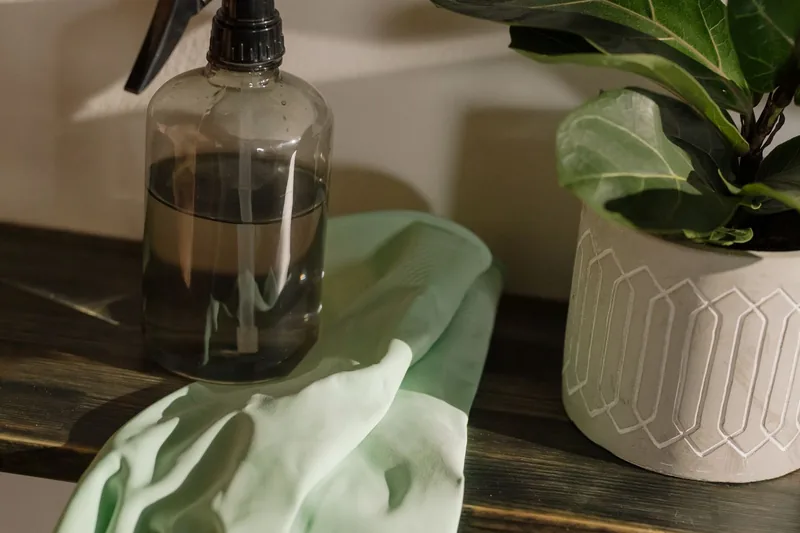
Affected rooms, vehicle interiors and surfaces are decontaminated after fentanyl exposure.
See fentanyl decontamination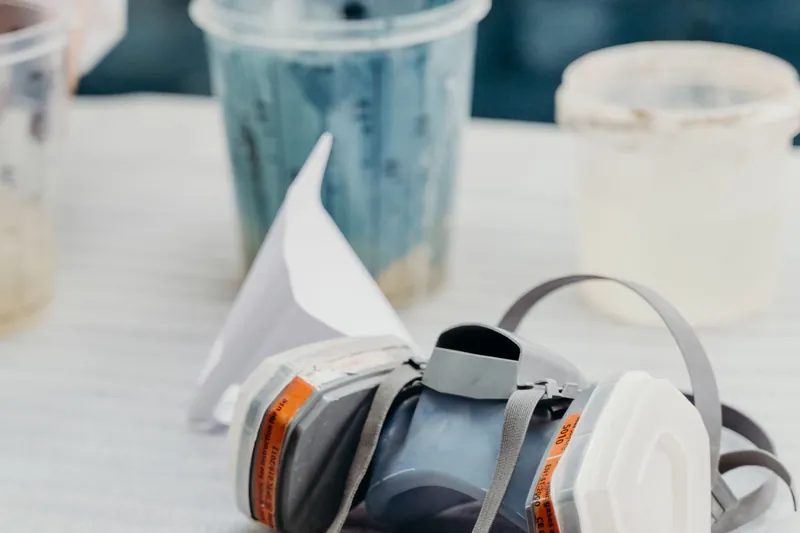
Residue tests, decontamination and clearance procedures are all part of meth lab cleanup.
See meth lab cleanup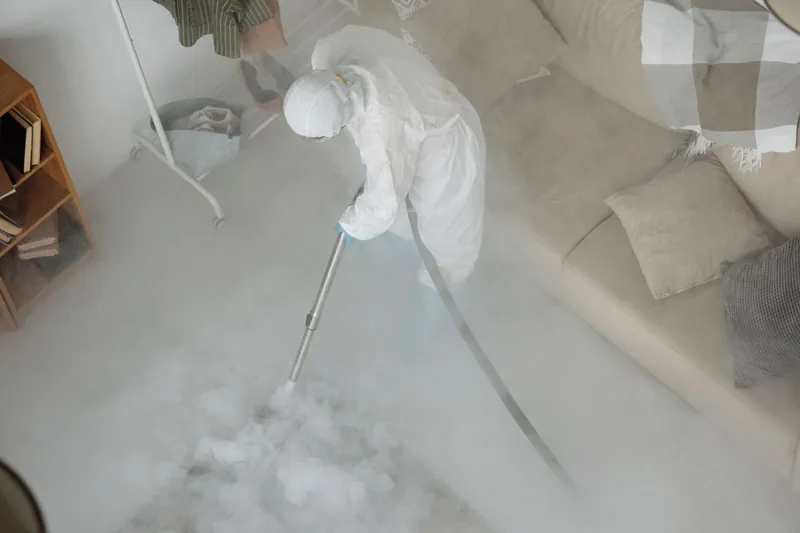
After exposure to infectious or hazardous material, the air, room and surfaces are fully decontaminated.
See biohazard decontamination
Biohazard waste pickup and disposal in sealed, labeled containers.
See biohazard waste disposal
After medical waste removal, disposal takes place through approved treatment facilities.
See medical waste removal
Rental property biohazard cleanup covers hotels and Airbnb units as well as rentals.
See hotel, airbnb and rental biohazard cleanup
Eviction and tenant move-out cleanup of waste, fluids and filth.
See eviction and tenant move-out biohazard cleanupMake sure other people, children and animals stay back. Avoid all contact, including trying to bend, break or recap the sharp. A bag should not contain an unsecured needle. A single community sharp may follow local health guidance, while several needles, hidden materials, residue, bodily fluids or a large space call for professional cleanup.
Workers can systematically examine carpet, furnishings, drawers, vents, bedding, waste and floor edges where sharps may be hidden. Even a thorough search cannot promise discovery of every very small item. Good lighting, suitable tools, puncture precautions and a second inspection reduce the chance that dangerous items are left behind.
Do not put loose needles, syringes or unknown residue into an ordinary trash bag. A sharp can puncture the bag and injure anyone who lifts it. Sharps belong in an appropriate puncture-resistant container and should follow the local disposal route. Packaging requirements can differ for other waste, especially if you find an unidentified chemical, residue or fluid.
No credible public guide gives a specific price range for this service. General biohazard cleanup figures are only context and may not reflect a small sharps pickup. The amount of material, residue, surfaces affected, search area and waste disposal route all change the actual price, so the property must be assessed first.
Who manages the property, the cause and the specific policy all affect coverage. When contacting the insurance company, request specific answers about contaminated property, biohazard cleanup and drug residue. Save the work scope and bills together with available waste records and pictures taken from a safe location. The ultimate payer may be determined by a deductible, excluded event or tenant liability.
No. Paraphernalia cleanup covers discarded items, sharps and limited residue. Chemical contamination may extend throughout a suspected meth lab property, along with fumes and materials capable of reacting. Leave the building and seek guidance from law enforcement or the fire department if you notice production signs, pressurized cylinders, stained tools or unusual chemical containers.
Discreet, respectful drug paraphernalia cleanup, 24 hours a day, with crews in unmarked vehicles.